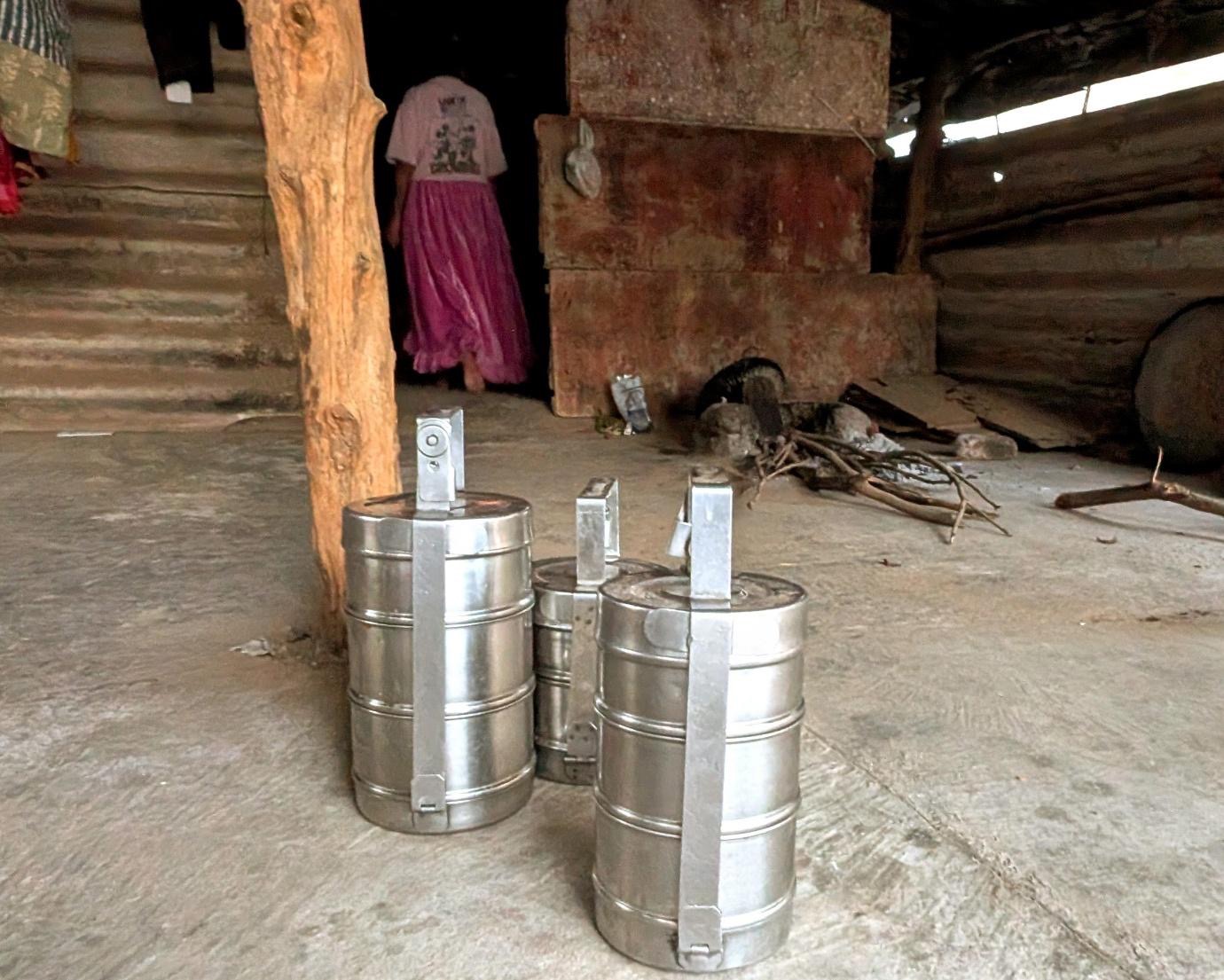
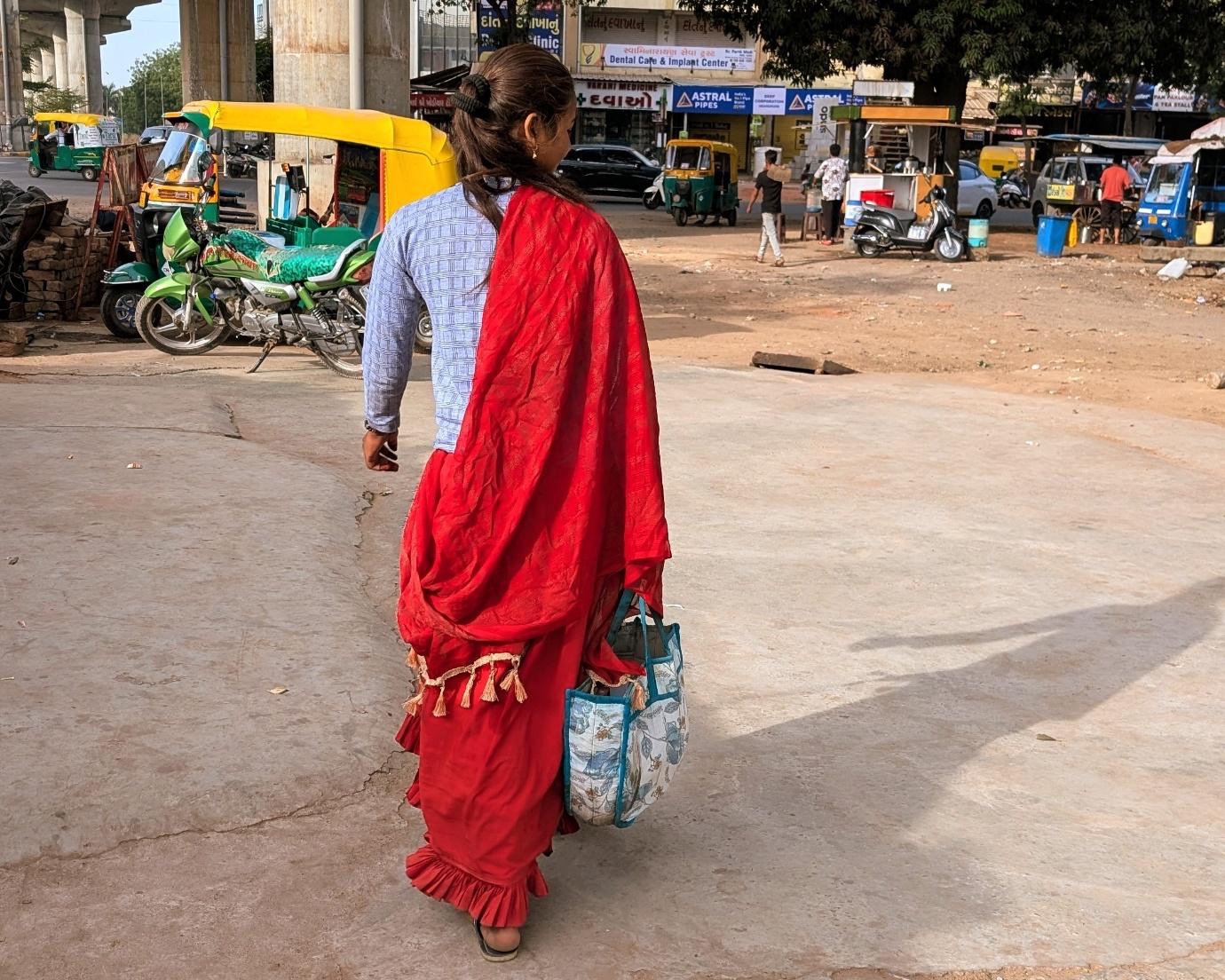
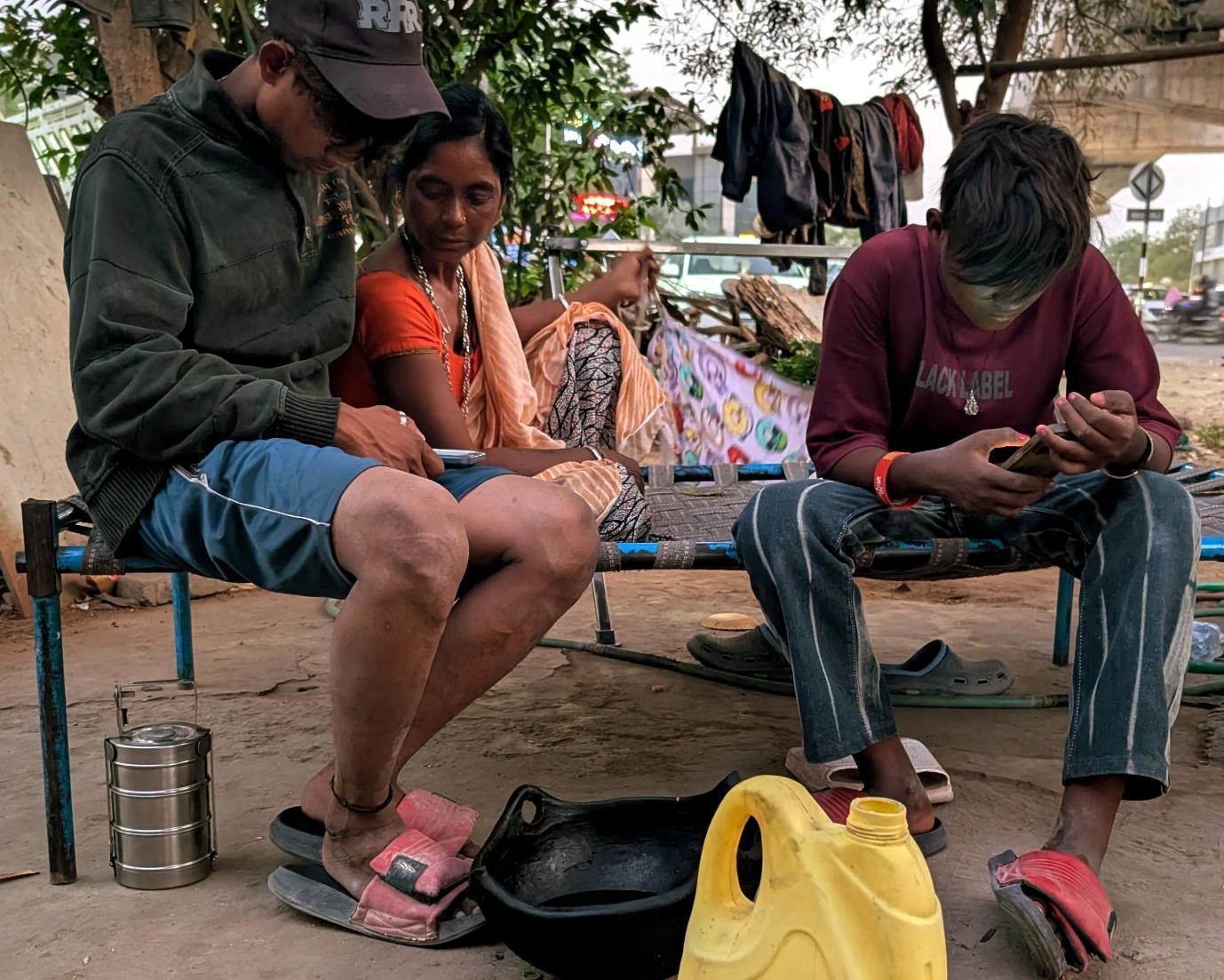
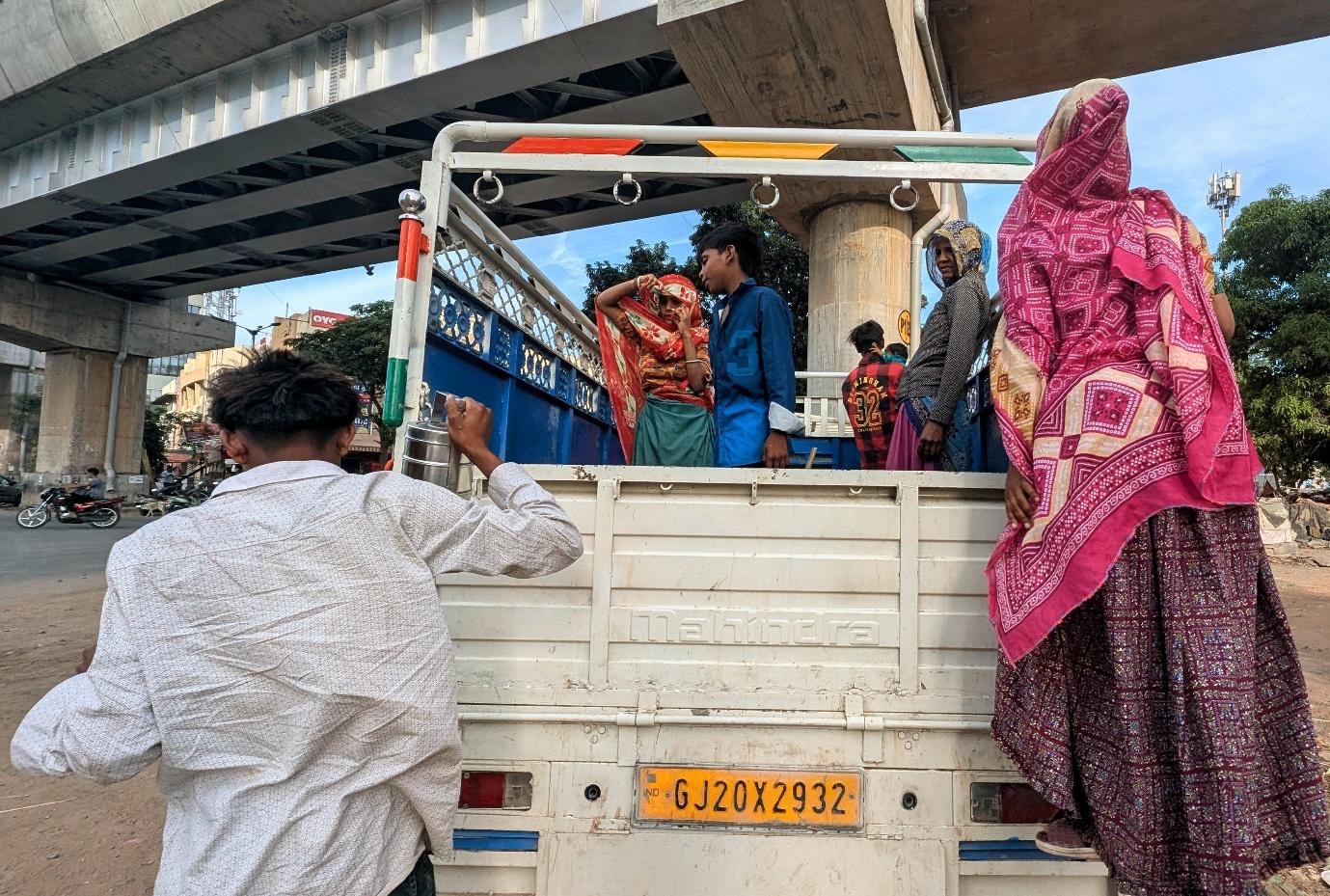
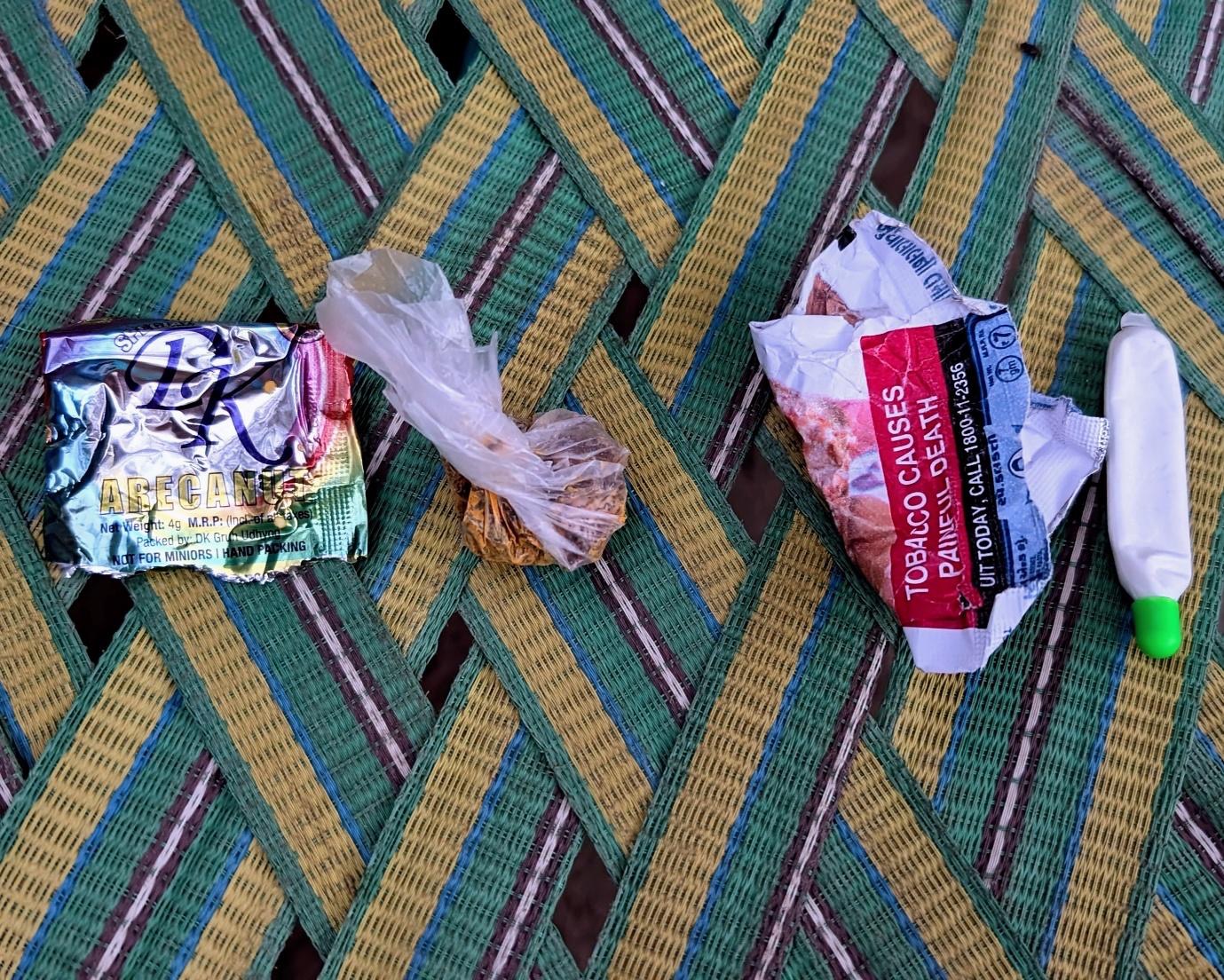
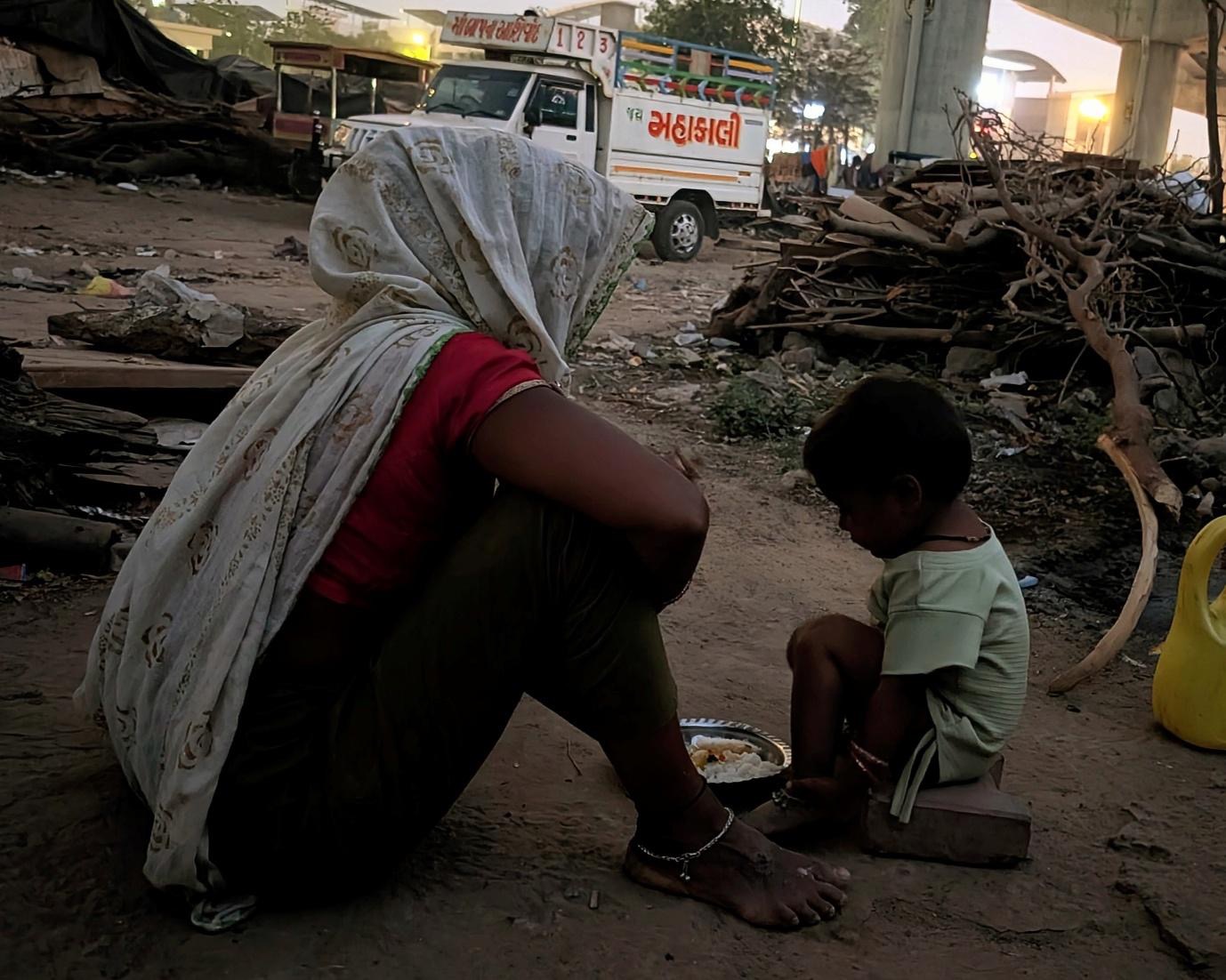
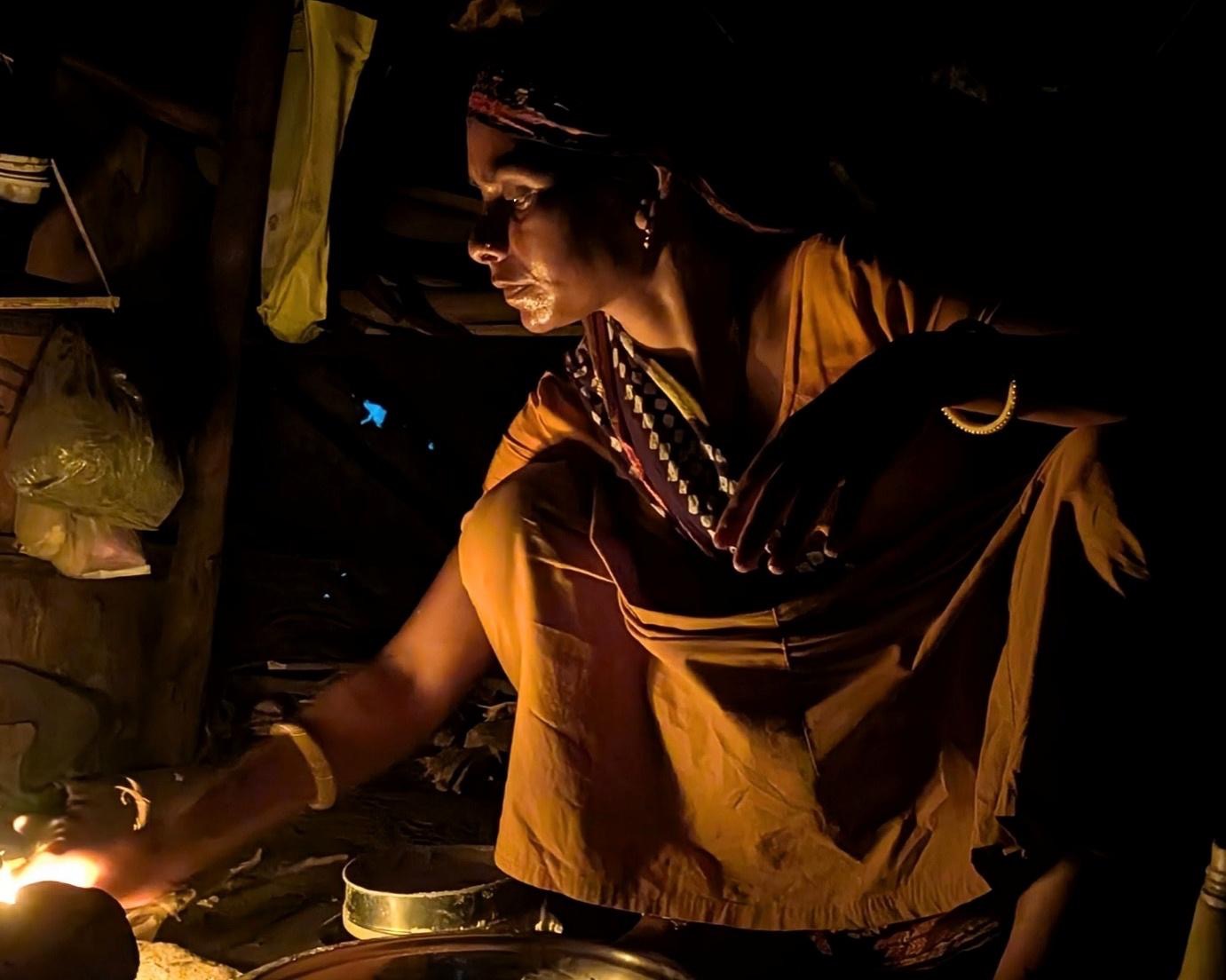
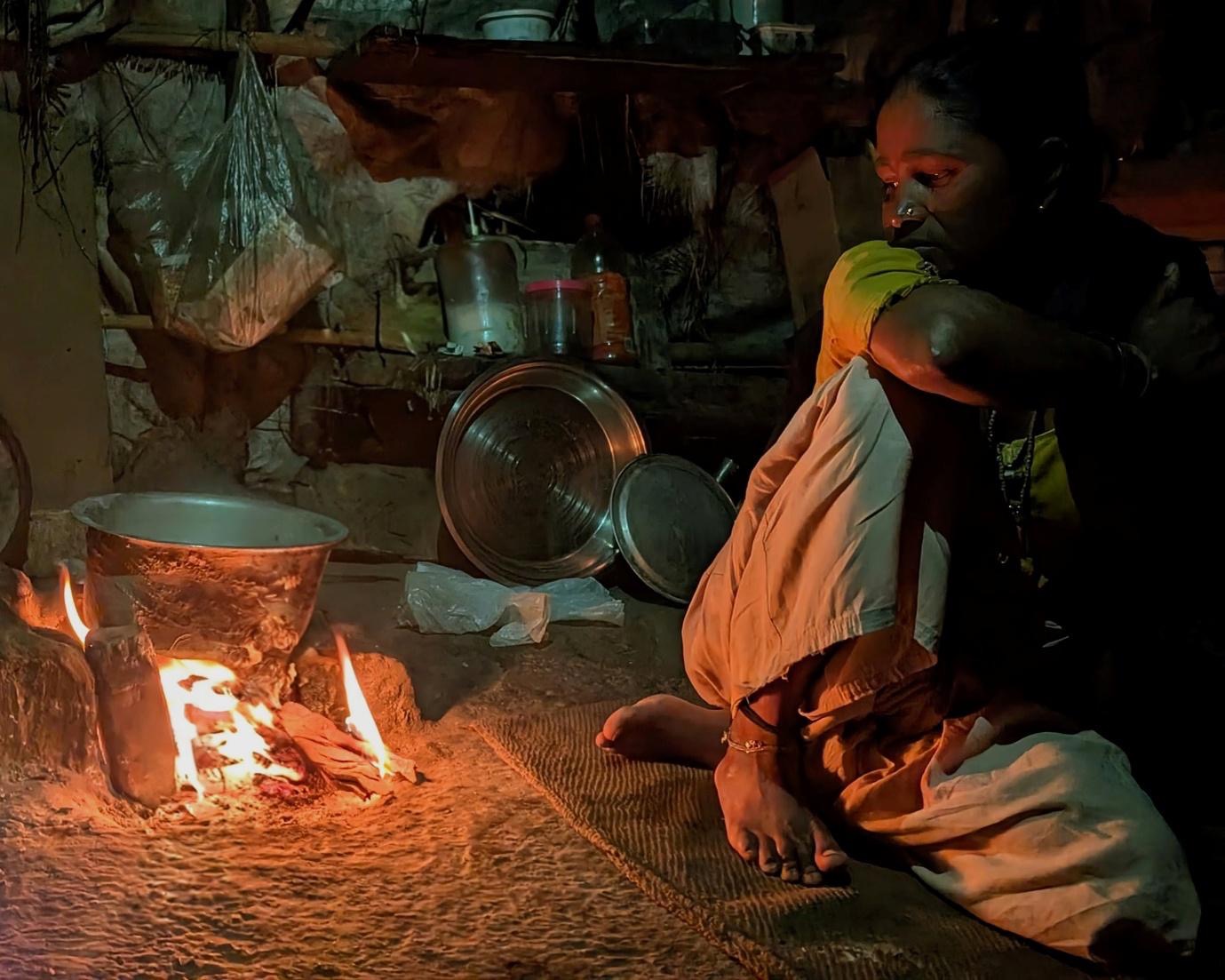
Under metro pillars P/123 – P/125 where trains jog by every twelve minutes carrying tired eyes, dupatta covered faces that looked like balding eagle heads from afar and office bellies that hung over the line – and walking past parked cars, jalebi-shaped dogs caught in a nap, a panipuri (puchka) cart, a leaking sewer line and a khatia (bed made of metal frames, woven with thick plastic ropes), lie row upon rows of homes of the tribal, Bhil-speaking community who had migrated to Ahmedabad. Built of tarpaulin sheets or corrugated metal, the roofs were held together by wooden sticks and sweaty fires of horse-shaped chulhas (stoves).
Most of the migrants belonged to tribal districts near the MadhyaPradesh and Gujarat border, marked by jagged terrain, forests and paucity of basic amenities like safe drinking water, electrification etc. (“Border Villages Amenities”). They are part of the Scheduled Tribes as per the state’s classification; however, all of them had been oppressed by systems and designations formulated to protect them (“Scheduled Tribes Profile”). Their homes were bulldozed by municipal authorities twice and “stacked up in ominous piles” as one resident shared. This act of official violence had etched itself firmly in the memories of the basti’s residents and was recollected and narrativized in encounters with the state, law, labour unions etc. The basti is not just a physical place but a form; a relational and negotiated space (Bhan, 6).
Building upon this fluid socio-spatial understanding of the basti, I would like to extend and reconfigure the idea of food as form and argue that food and food-related acts construct, negotiate, demarcate and fictionalize intimacies in interpersonal relationships. Food then becomes an active agent in the “doing” and “un-doing” kin or friendship ties.
Relating and Un-Relating through Food
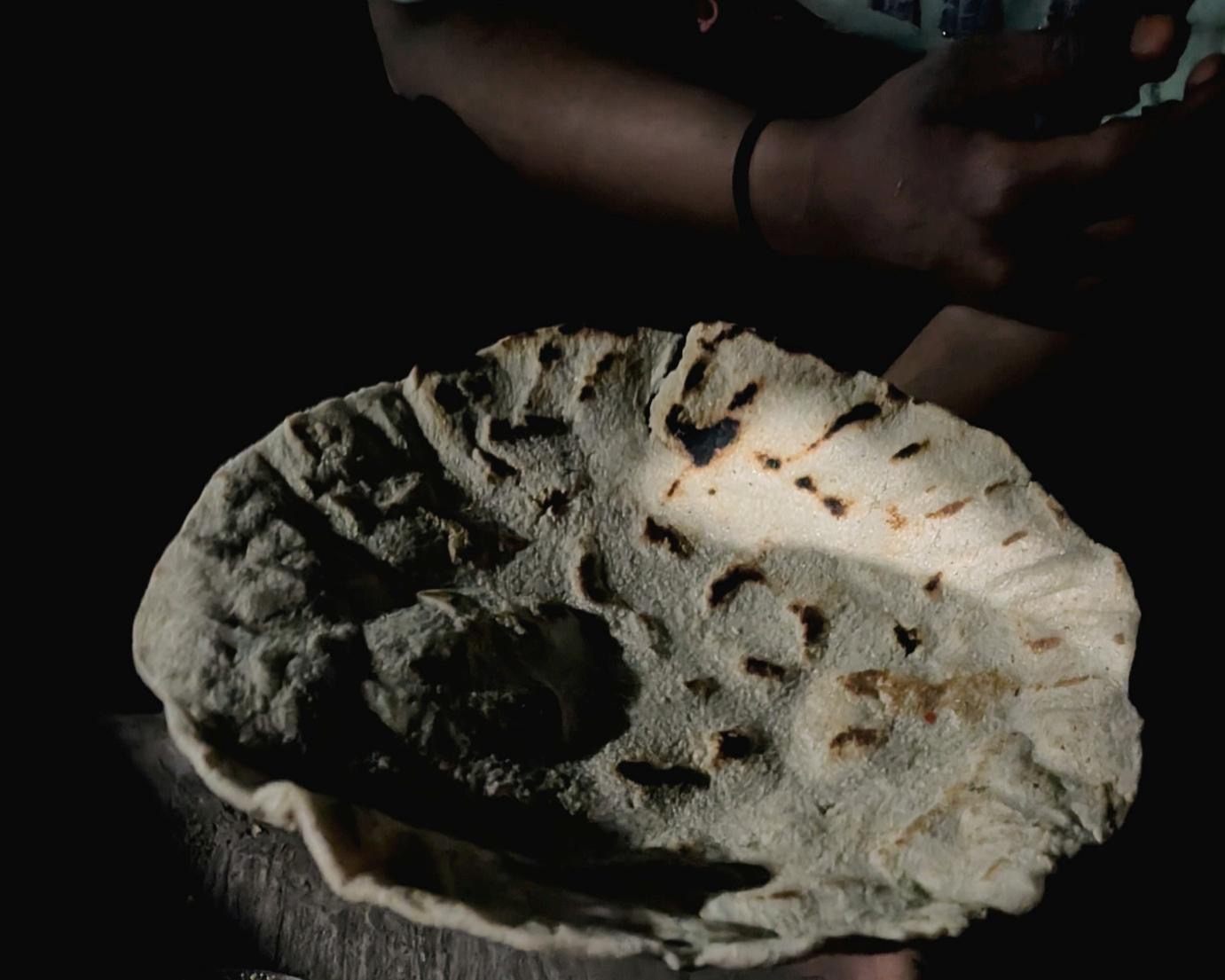
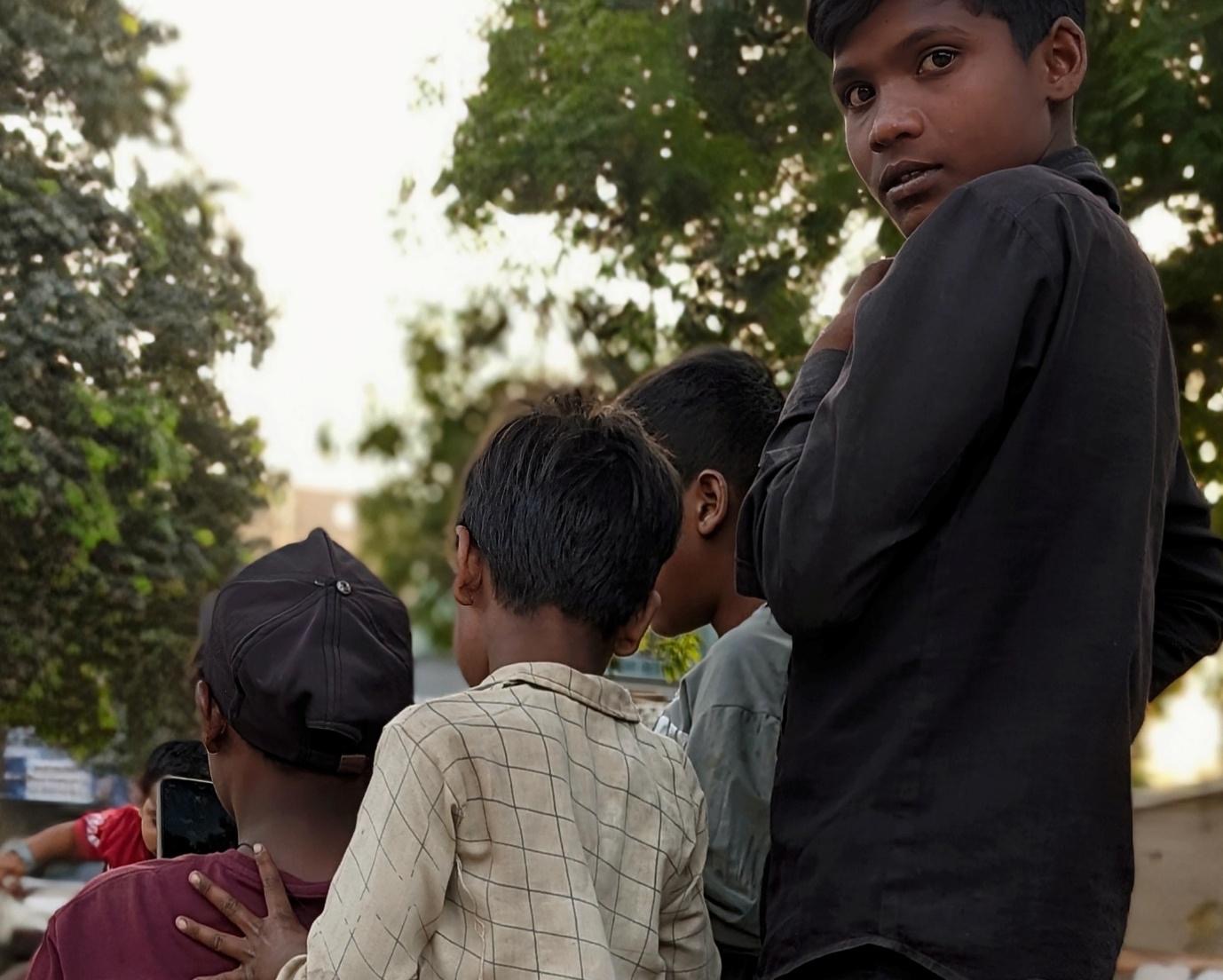
Anjali , a fourteen-year-old who loves to act and dance, wear chunky chains that remind me of a certain rapper, is responsible for cooking for the family of five; handling rotlas (thick flatbreads made of maize flour) and minor dishes like chutneys besides washing clothes, cleaning the dishes and house, while working upwards of nine hours at construction sites every day except Amavas (no-moon day). She loves to eat the soft wheat rotis, a special treat besides Maggi which she and her siblings, Kamlesh and Arpit huddle together and share while watching Reels.